Lessons 1 · How a camera works
Shutter speed and motion
The shutter speed is how long the sensor collects light. It is written in seconds: 1/1000 is a thousandth of a second, 2" or 2s is two seconds. Doubling the time doubles the light, so 1/125 s is one stop brighter than 1/250 s.
Anything that moves while the shutter is open is smeared across the picture. A short time freezes it. A long time turns it into blur or streaks. That is how photographers freeze a sprinter, turn a waterfall silky or draw light trails with cars at night.
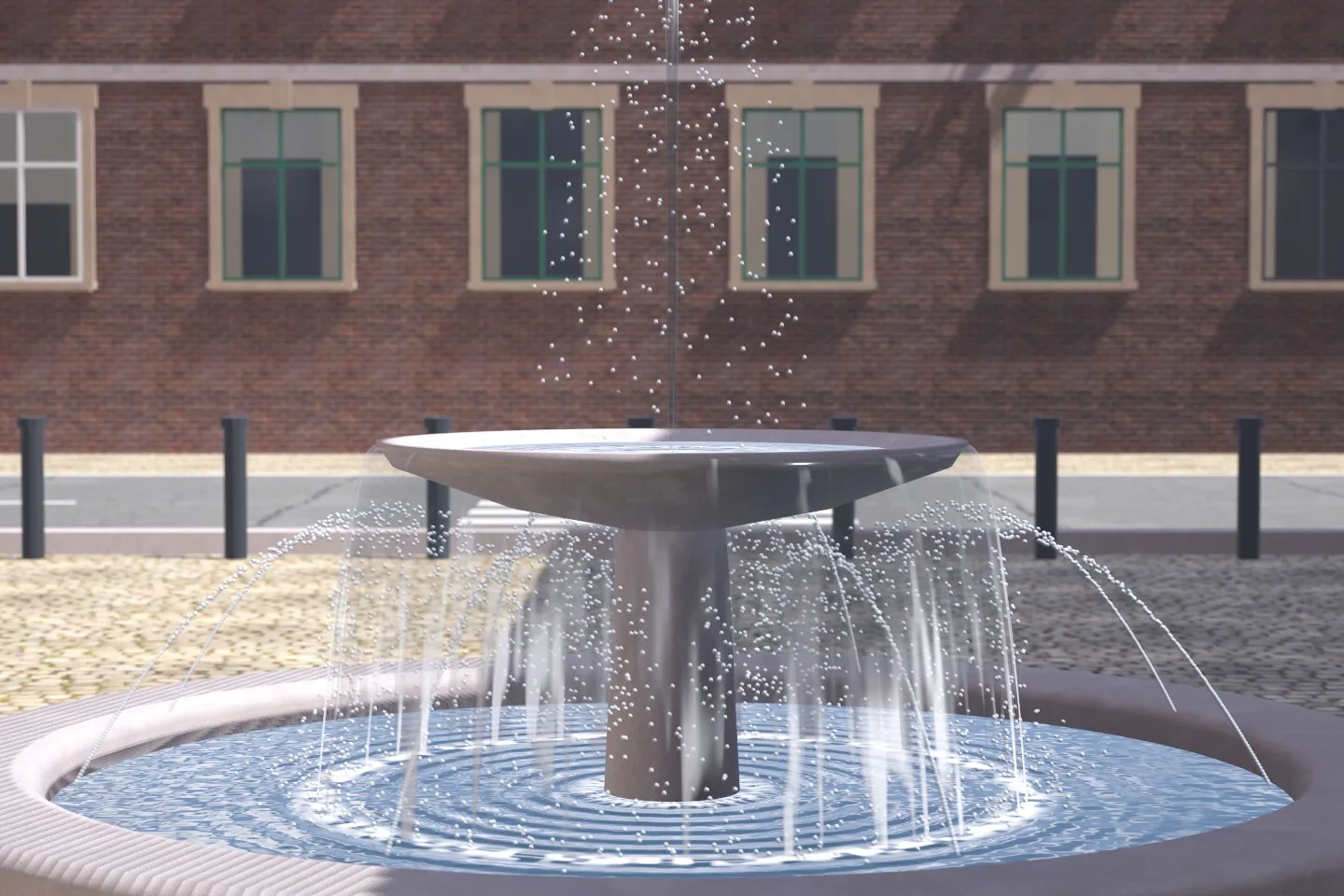
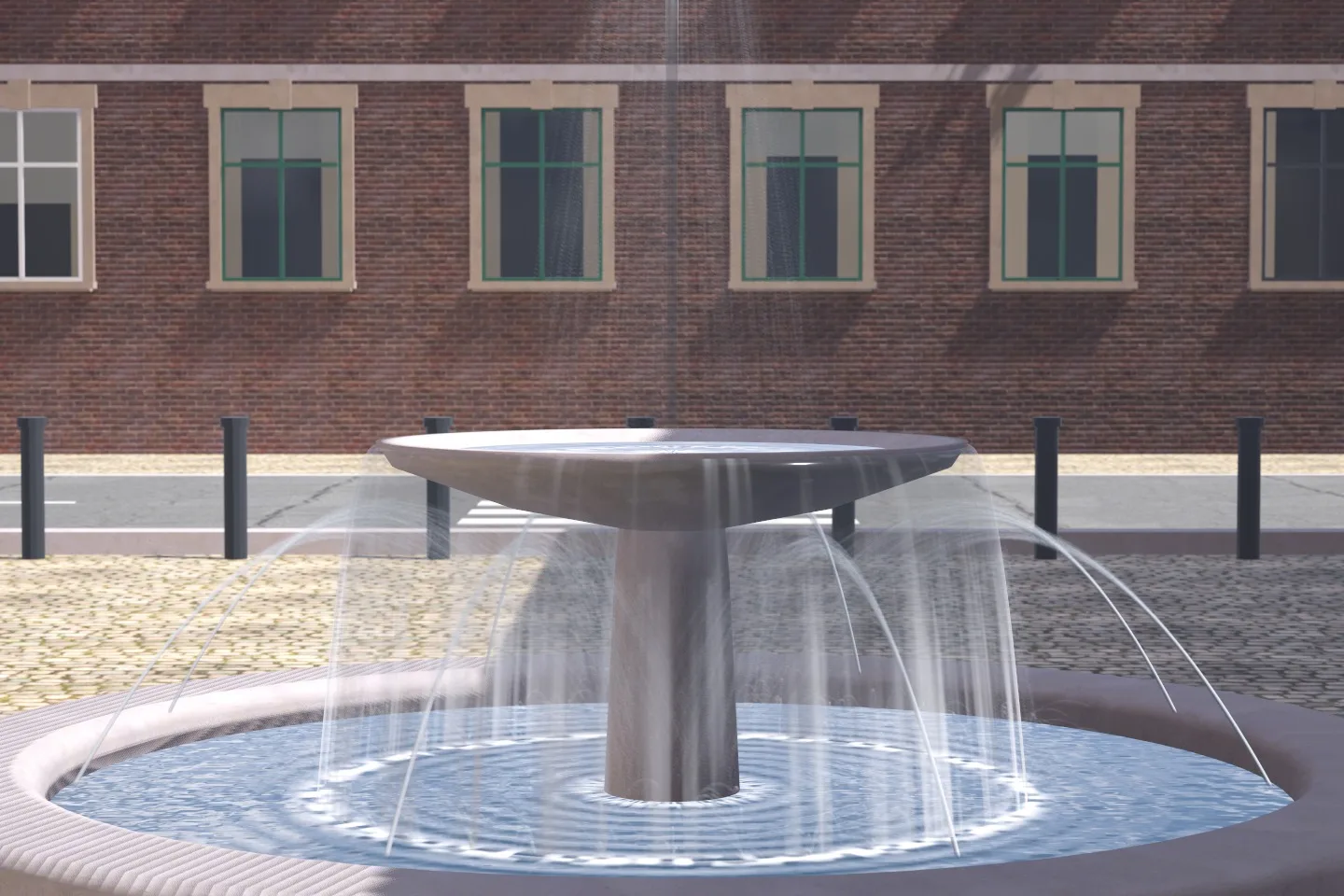
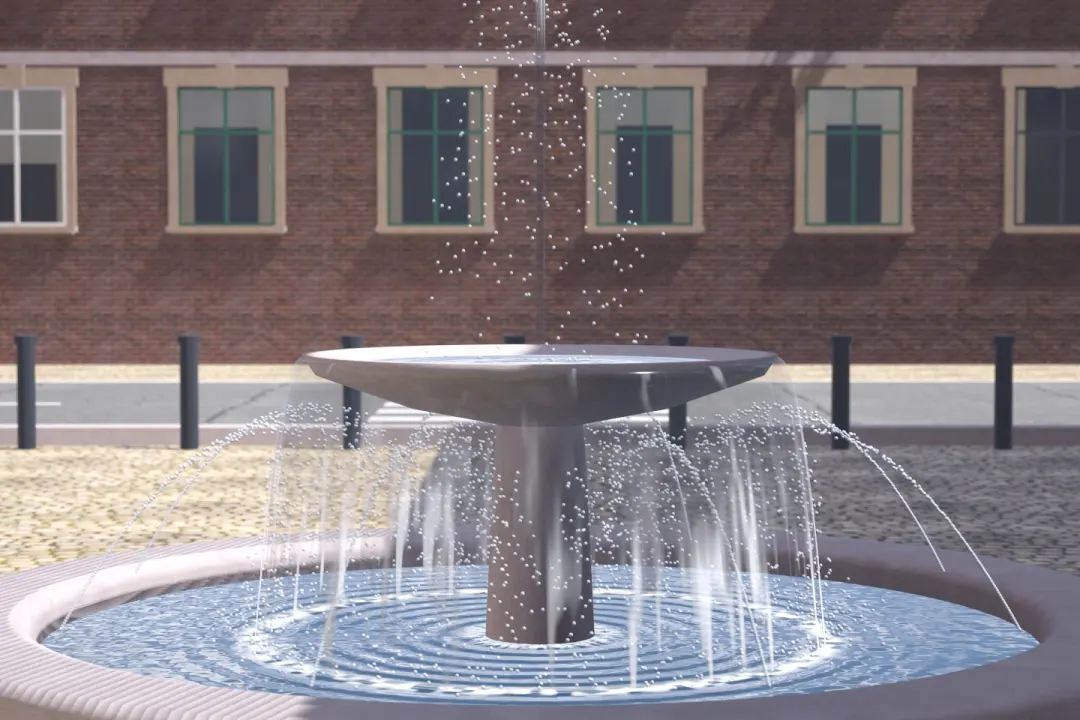
Try this: Take a photo at 1/1000 s to freeze the drops. Then add the ND 6 filter, set 1/4 s and take another. Daylight is too bright for slow shutter speeds without the filter.
How fast is fast enough?
It depends on how fast the subject moves across the frame. Here is a person walking past 5 m away, photographed with a 35 mm lens:
| Shutter | They walk | In the photo |
|---|---|---|
| 1/4000 | 0.3 mm | frozen |
| 1/1000 | 1.4 mm | frozen |
| 1/250 | 5.6 mm | frozen |
| 1/60 | 2 cm | slightly blurred |
| 1/15 | 9 cm | blurred |
| 1/4 | 35 cm | streaks |
| 1s | 140 cm | streaks |
A quick guide for everyday subjects:
- 1/125 s: people standing or walking slowly.
- 1/500 s: children playing, pets, cyclists.
- 1/1000 s to 1/2000 s: sport, birds, splashing water.
- 1/4 s to 2 s: silky water, on a tripod.
- 4 s to 30 s: light trails and night scenes, on a tripod.
Long exposures at night
At night a long shutter speed turns moving lights into lines. Cars disappear because they never stay in one place long enough to register, but their head and tail lights draw trails.
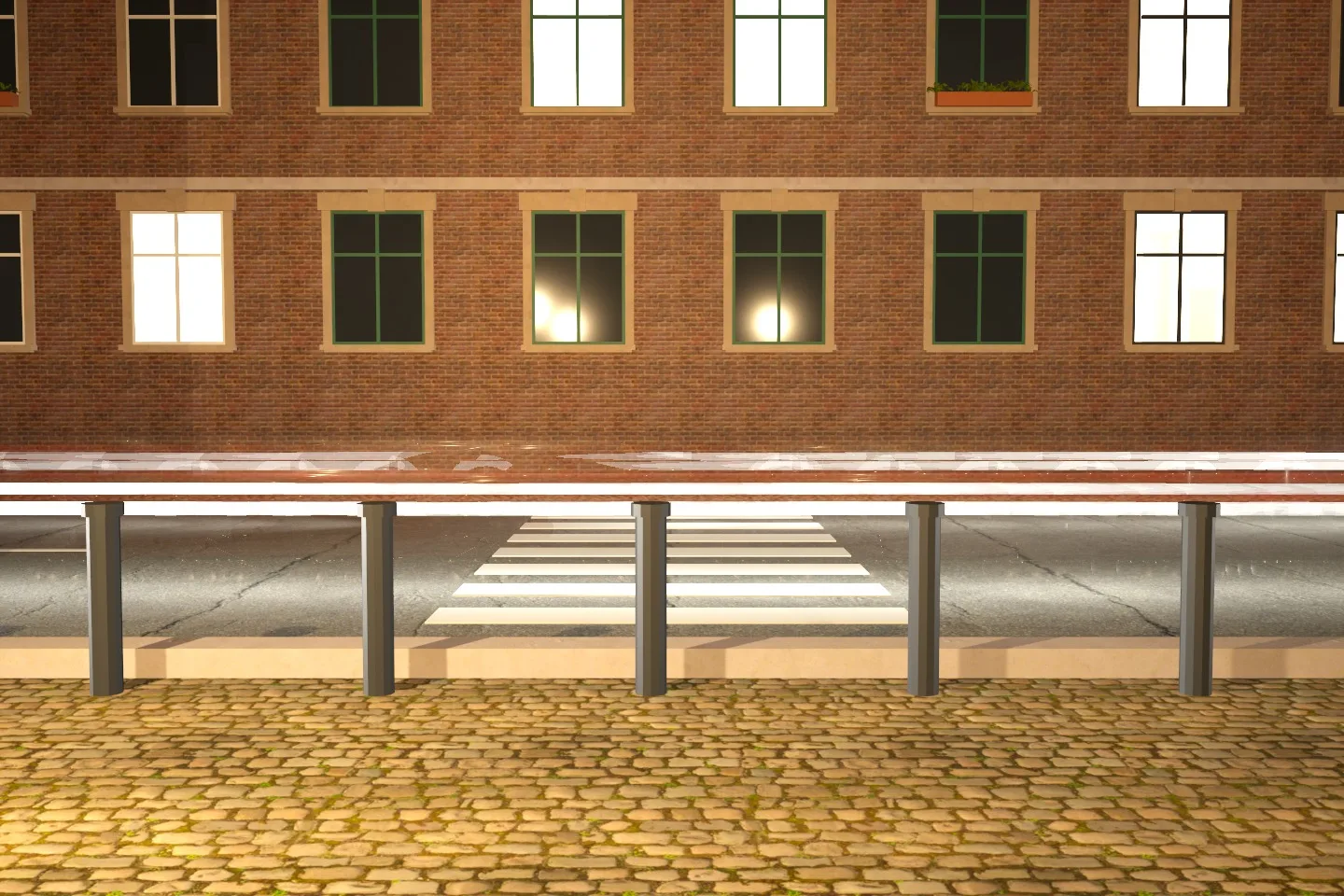
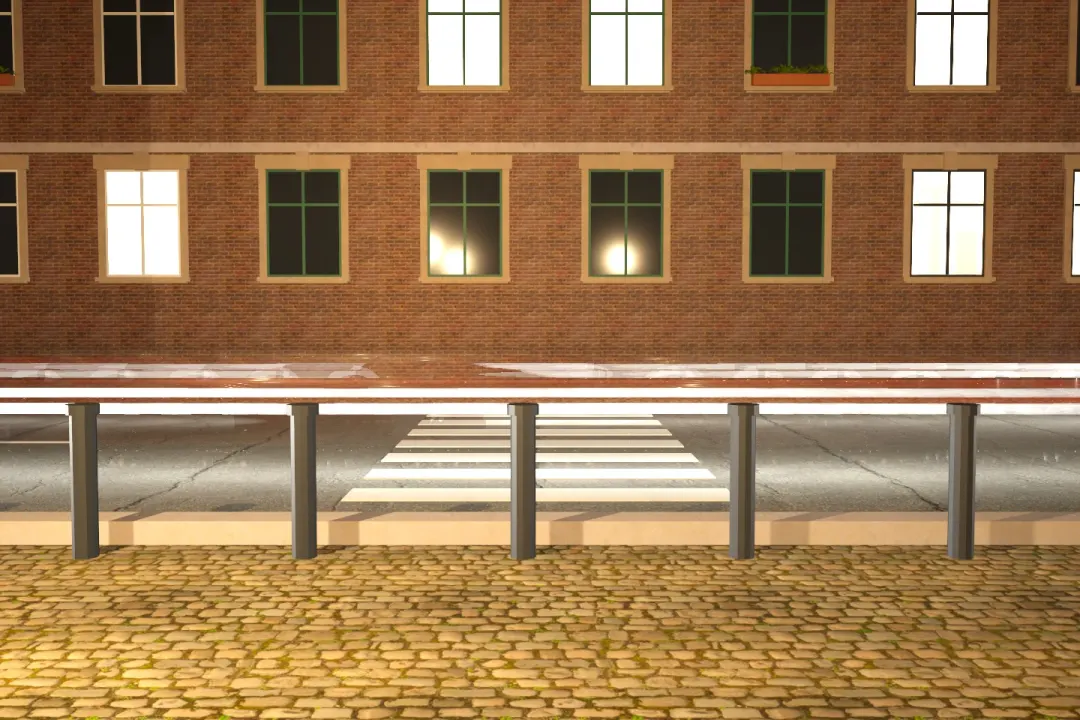
Try this: At 1/30 s the cars are blurry blobs. Set 4 s or longer and take a photo: the cars disappear and leave light trails. The camera is on a tripod, so the buildings stay sharp.
Camera shake: the handheld limit
Your hands move too, and that blurs everything in the picture. A long-standing rule is to keep the shutter faster than 1 ÷ the focal length (on full frame). Longer lenses magnify shake, so they need faster shutters. Image stabilisation in the body or the lens lets you go slower.
| Focal length | Full frame | APS-C | Full frame, 4 stops of stabilisation |
|---|---|---|---|
| 24 mm | 1/25 | 1/40 | 0.6s |
| 50 mm | 1/50 | 1/80 | 0.3s |
| 100 mm | 1/100 | 1/160 | 1/8 |
| 200 mm | 1/200 | 1/320 | 1/13 |
Stabilisation only steadies the camera. It does nothing for a subject that moves.