Lessons 3 · Real situations
Portraits with a soft background
The classic portrait has a sharp face and a background melted into soft shapes. Phones fake it with software. A camera does it with optics, and once you know the four controls you can get it with almost any lens.
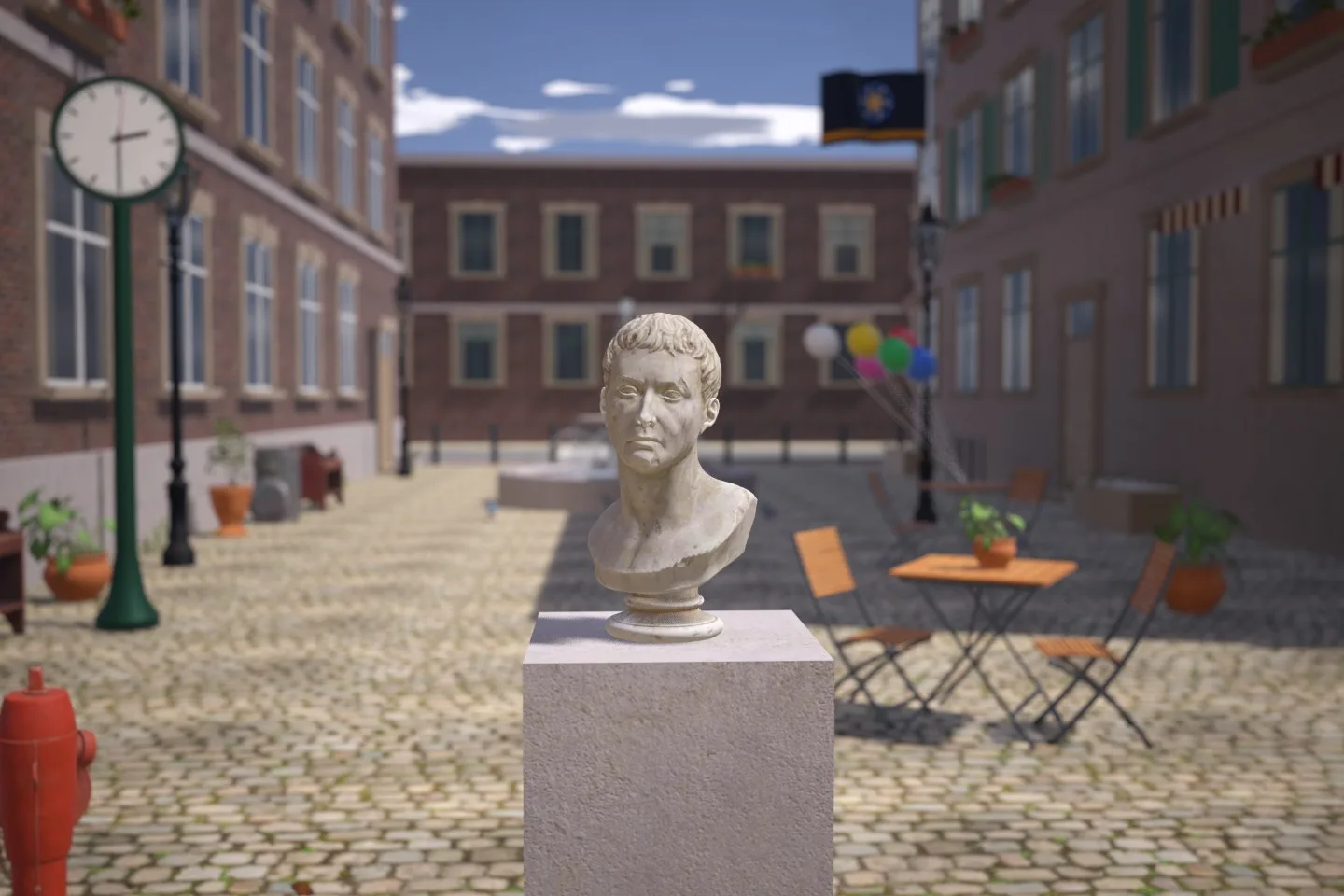
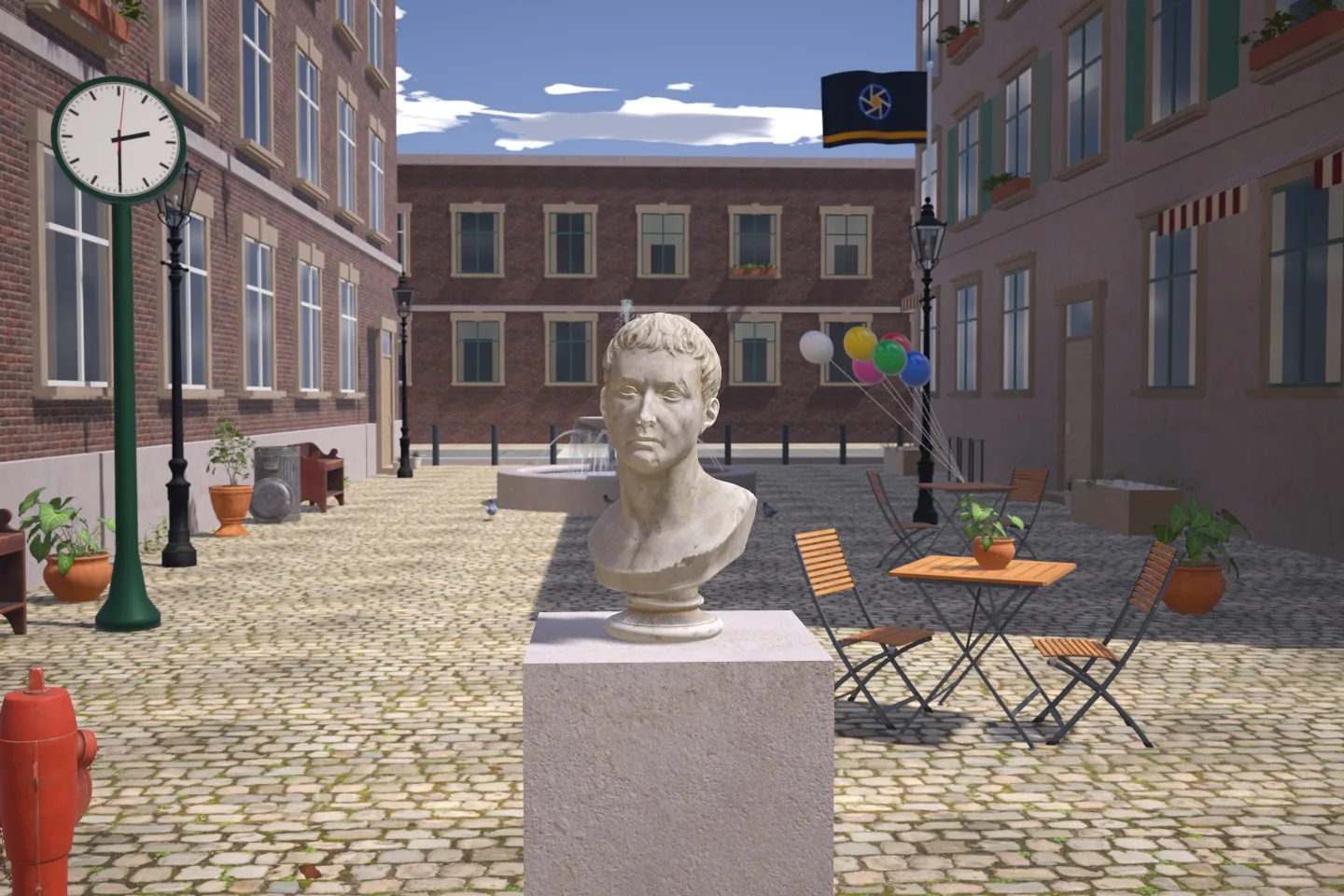
The four things that blur a background
- A wider aperture. f/1.8 blurs twice as much as f/3.5.
- A longer focal length. It magnifies the background along with its blur.
- A closer subject. The closer you focus, the shallower the depth of field.
- A more distant background. Move your subject away from walls and hedges.
The last one is free and most often forgotten. A person standing against a wall will never have a blurred background. Pull them three metres forward and the same lens suddenly looks expensive.
The numbers
Each setup below frames a person from the waist up on full frame. The table shows how big the blur of a background point is, compared with the limit of what looks sharp:
| Lens | Distance | Background 2 m behind | Background 20 m behind |
|---|---|---|---|
| 35 mm f/1.8 | 1.6 m | 8× softer | 14× softer |
| 50 mm f/1.8 | 2.3 m | 10× softer | 19× softer |
| 85 mm f/1.8 | 3.9 m | 12× softer | 31× softer |
| 135 mm f/2.8 | 6.2 m | 9× softer | 28× softer |
| 200 mm f/4 | 9.1 m | 7× softer | 27× softer |
Two lessons hide in that table. For a distant background, a longer lens blurs more even at a smaller aperture: 200 mm at f/4 beats 35 mm at f/1.8. For a background just behind the subject, the fast wide lens holds its own. And a far background is always blurrier than a near one, so look for depth behind your subject.
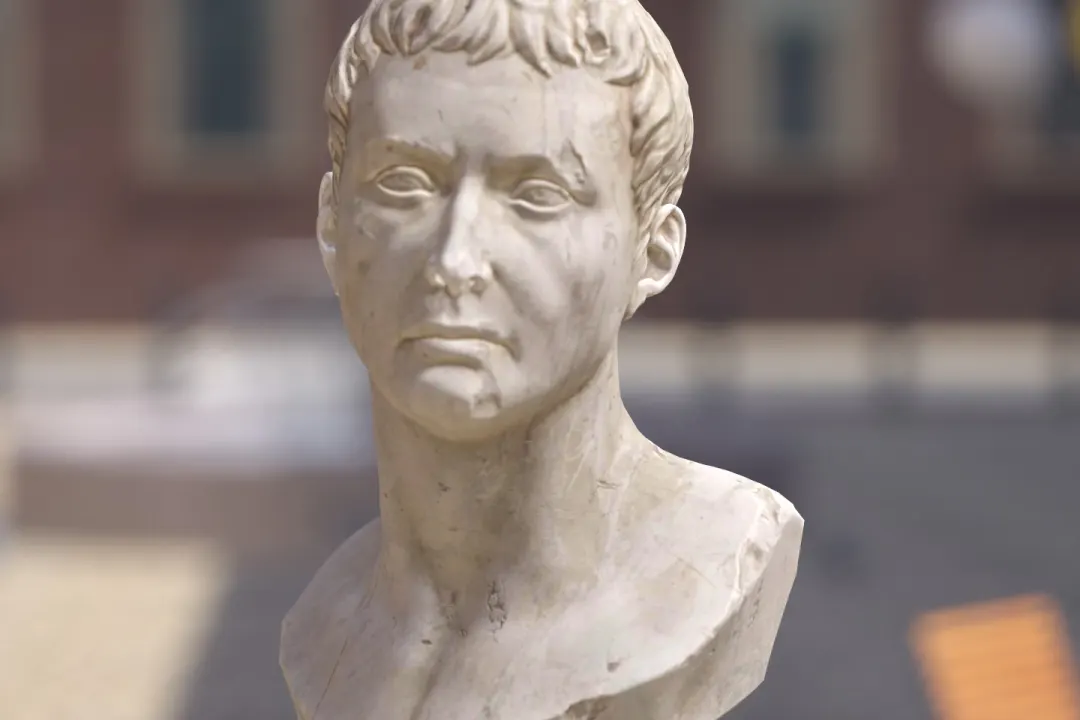
Try this: Compare the 35 mm prime at f/1.8 with the 70-200 mm at 200 mm and f/4. The longer lens magnifies the background, so it looks blurrier even at a smaller aperture.
Focus and framing
- Turn on eye detection and AF-C. The camera tracks the nearest eye even if your subject moves a little.
- At f/1.8 the sharp zone at 2 m is only a few centimetres. If both eyes must be sharp, have your subject face the camera, or close to f/2.8.
- Stand back and zoom in rather than walking close with a wide lens: 85 mm and longer flatter faces.
- Do not cut people at the joints (neck, elbows, knees). Crop mid-thigh or mid-arm instead.
Light
Harsh midday sun gives squinting eyes and dark eye sockets. Easy improvements:
- Open shade: under a tree or beside a building, facing the open sky. Soft, even, flattering.
- Backlight: put the sun behind your subject for glowing hair, and add exposure compensation, +1 or so, so the face is bright enough.
- Window light indoors: subject beside a window, at a slight angle to it.