Lessons 1 · How a camera works
ISO and noise
ISO is often called "sensitivity", but raising it does not let more light in. The sensor collects whatever light the aperture and shutter allow. ISO then amplifies that signal so a dim exposure comes out bright.
Where noise comes from
Light arrives as tiny packets called photons, and they arrive at random, like raindrops. In a short moment, one pixel might catch 90 and its neighbour 110, even when both look at the same grey wall. That unevenness is noise. The more light a pixel collects, the smaller the unevenness compared with the signal, and the cleaner the picture.
So noise is really about how little light you collected. A high ISO is the camera's way of making a low-light exposure look bright. The grain was already there; the amplifier just makes it visible. The electronics add a little noise of their own too, which shows mostly in the darkest shadows.
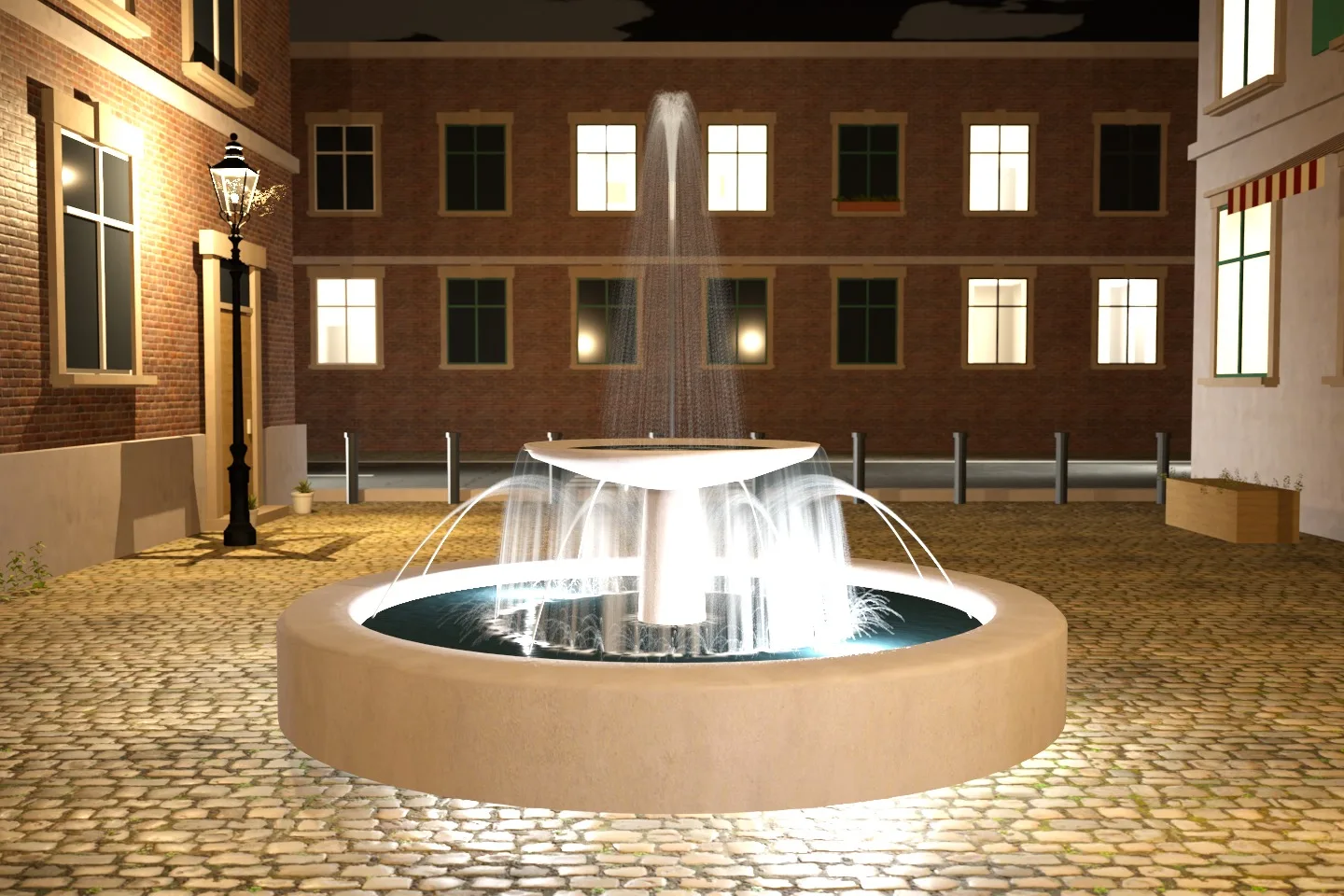
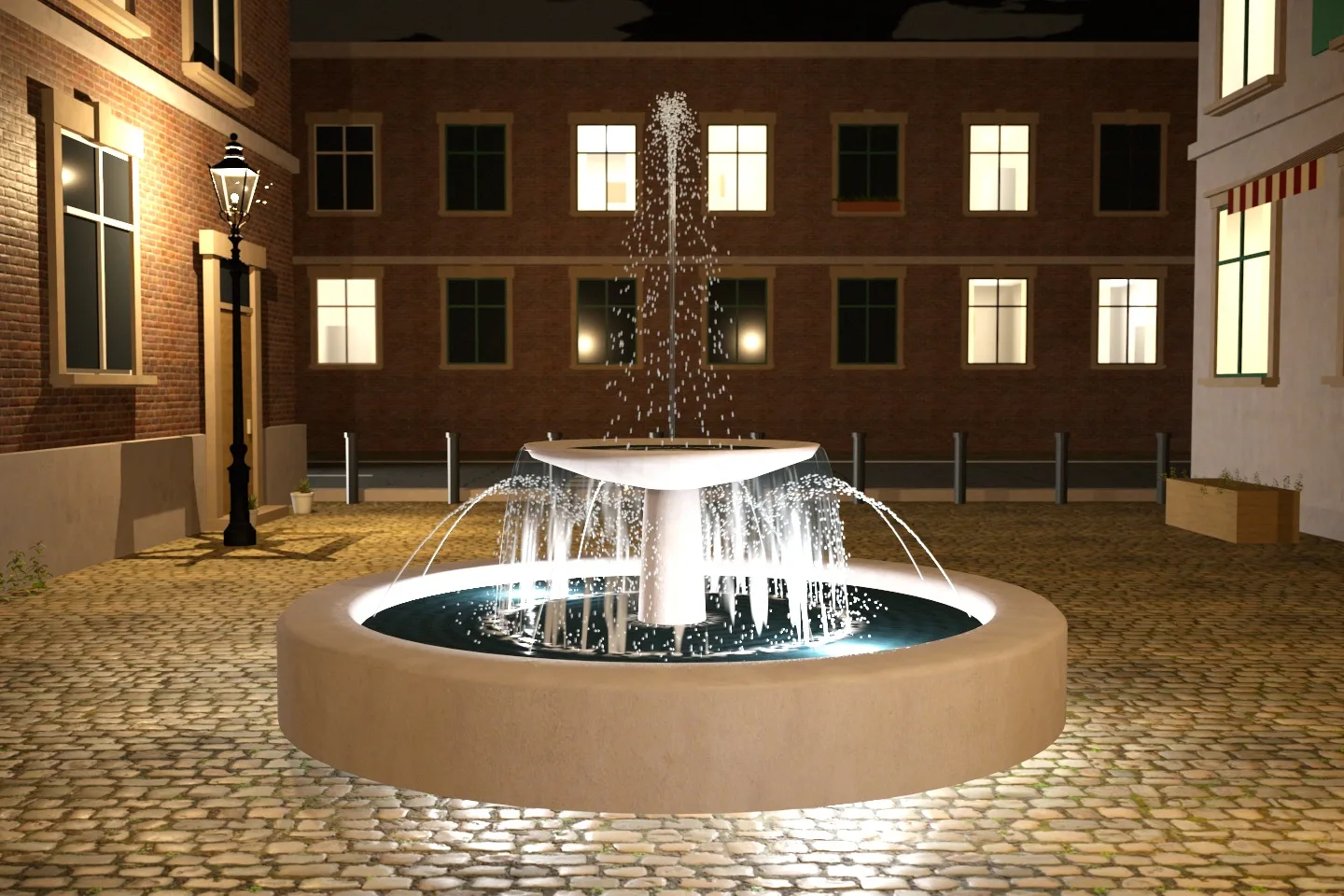
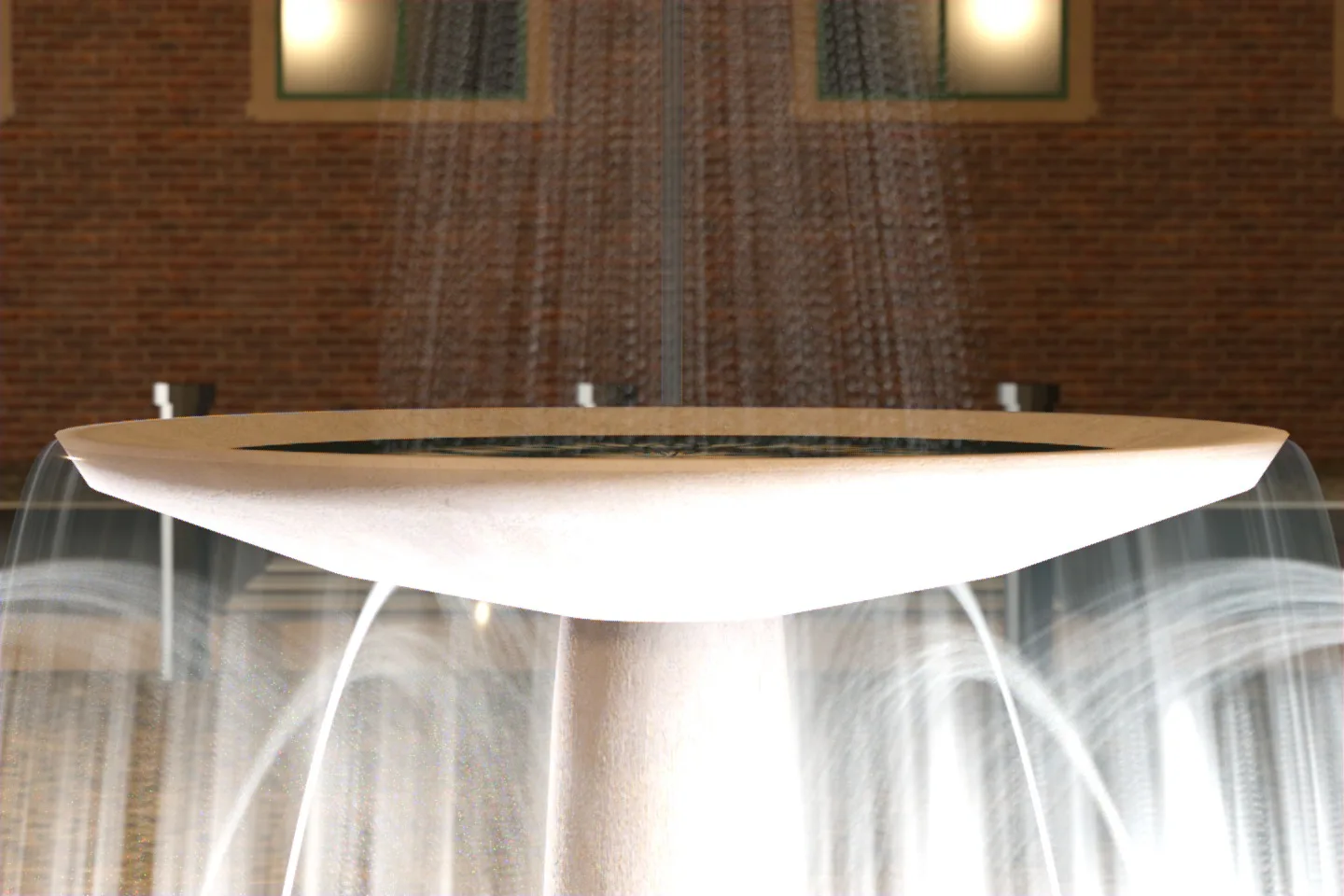
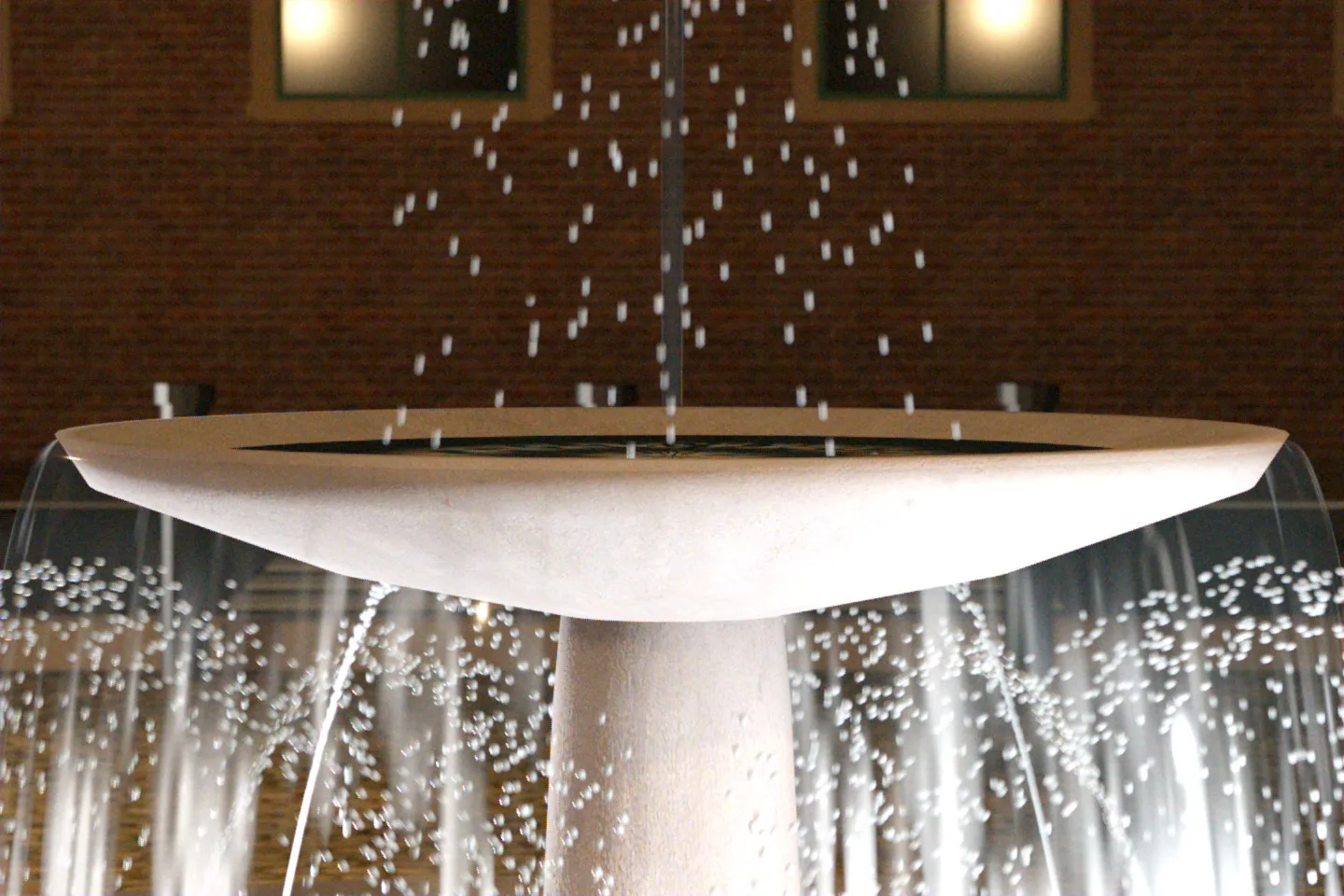
Same brightness in both: the camera shortened the shutter as the ISO went up. Both rendered by the simulator with its full-frame sensor model.
Try it at night
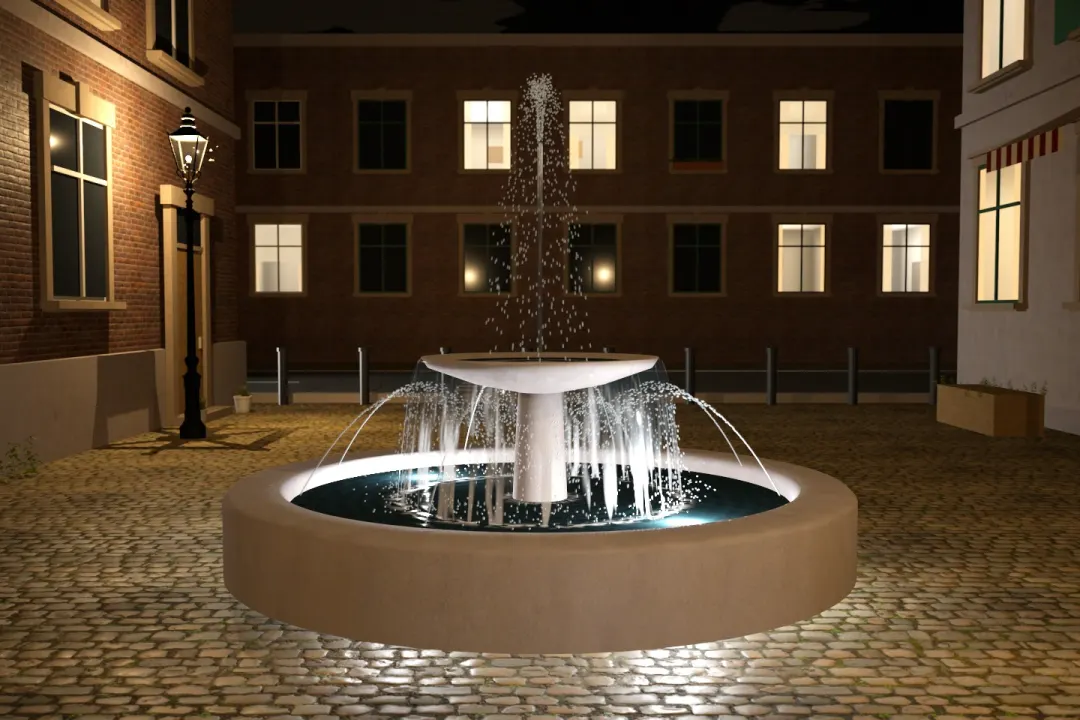
Try this: The photo is far too dark at ISO 100. Raise ISO until the meter reads 0, take a photo, then tick 100% view to see the grain at real pixel size. Next, try a slower shutter and a lower ISO instead.
How high can you go?
On a modern sensor, a correctly exposed photo looks like this at each ISO, viewed at 100%:
| ISO | Full frame 24 MP | APS-C 26 MP | Dynamic range (full frame) |
|---|---|---|---|
| 100 | clean | clean | 14.0 stops |
| 400 | clean | clean | 13.5 stops |
| 1600 | fine grain | fine grain | 12.7 stops |
| 3200 | fine grain | visible grain | 11.8 stops |
| 6400 | visible grain | visible grain | 10.8 stops |
| 12800 | visible grain | noisy | 9.8 stops |
| 25600 | noisy | noisy | 8.8 stops |
| 51200 | noisy | very noisy | 7.8 stops |
Viewed whole on a phone or a screen, the grain is much harder to see than at 100%. ISO 6400 on a recent camera is perfectly usable. Higher ISO also costs dynamic range: the gap between the brightest and darkest tones the sensor can hold shrinks, so bright skies clip and shadows get muddy sooner.
Many sensors switch to a second, quieter amplifier mode at one ISO. On the simulated full-frame sensor it happens at ISO 640, which is why the noise does not rise smoothly there.
A sharp, noisy photo beats a blurry, clean one
Noise can be reduced afterwards, and it hardly shows on a phone screen. Motion blur and camera shake cannot be fixed. When the light drops, protect the shutter speed and let the ISO rise.
It also does not help to keep ISO low and brighten a dark photo later. You collected the same small amount of light either way, and on modern sensors the result is about the same or worse. Expose properly at the ISO you need.