Lessons 2 · Using your camera
Lenses and focal length
The focal length, in millimetres, tells you how much the lens magnifies. A short focal length (like 16 mm) shows a wide view; a long one (like 200 mm) shows a narrow slice of the scene, enlarged. It is the number you change when you zoom.
| Focal length | Type | Horizontal view | Typical use |
|---|---|---|---|
| 14 mm | Ultra wide | 104° | Interiors, big landscapes, night sky |
| 24 mm | Wide | 74° | Landscapes, architecture, travel |
| 35 mm | Moderate wide | 54° | Street, everyday, environmental portraits |
| 50 mm | Normal | 39° | Everyday, half-body portraits |
| 85 mm | Short tele | 24° | Head-and-shoulder portraits |
| 135 mm | Tele | 15° | Tight portraits, details |
| 200 mm | Tele | 10° | Sport, wildlife, compressed landscapes |
Angles are for a full-frame sensor. A smaller sensor sees a narrower view through the same lens; see sensor size.
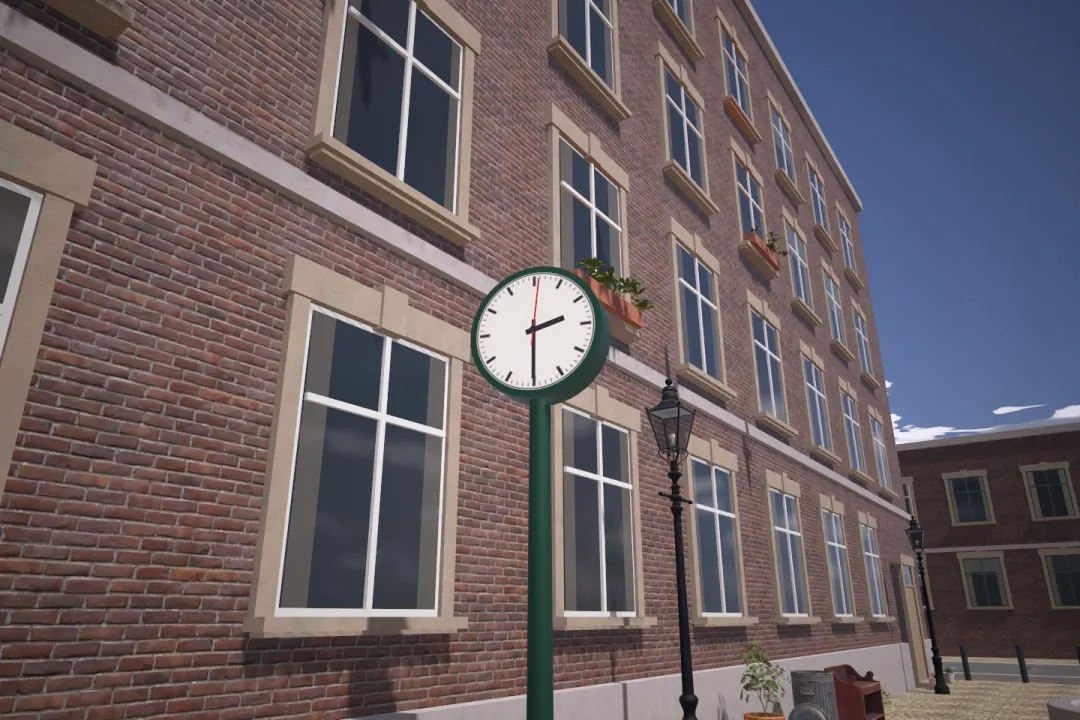
Try this: Zoom from 24 mm to 70 mm without moving. The camera stays put; only the framing changes. Then try the 14-24 mm and 70-200 mm lenses.
Perspective comes from where you stand
A telephoto lens seems to squash distances: buildings stack up, and a mountain looms behind a person. A wide lens seems to stretch them: a nose looks big in a close-up selfie. But the lens is not doing that. Perspective depends only on the distance between the camera and the things in the picture.
With a telephoto you stand far away, so the person and the mountain are at similar distances from you and look similar in size. With a wide lens you stand close, so the nose is much nearer than the ears. If you cropped the middle out of a wide-angle photo, it would look exactly like the telephoto one taken from the same spot.
That is why portrait photographers like 85 mm and longer: they stand back, and faces look natural.
Primes and zooms
- A prime has one focal length, such as 35 mm f/1.8. Primes are usually smaller, sharper and have wider apertures, which means more light and blurrier backgrounds.
- A zoom covers a range, such as 24-70 mm. You can frame without moving, which is invaluable when you cannot get closer.
On a zoom, "f/2.8" means the widest aperture is f/2.8 at every focal length. "f/3.5-5.6", typical of kit lenses, means the widest aperture shrinks from f/3.5 to f/5.6 as you zoom in. That is over a stop of light lost at the long end.