Lessons 3 · Real situations
Long exposure: silky water and light trails
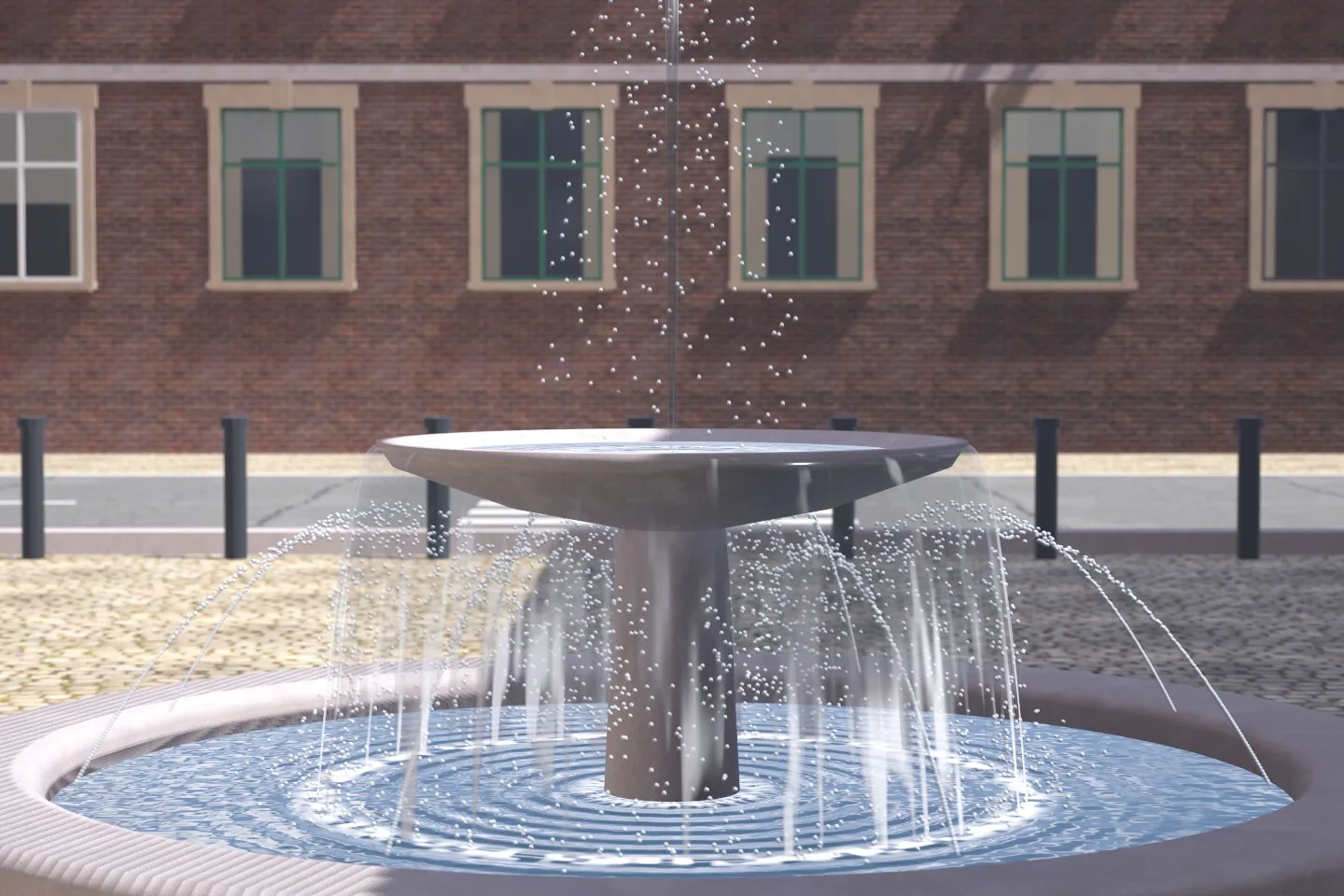
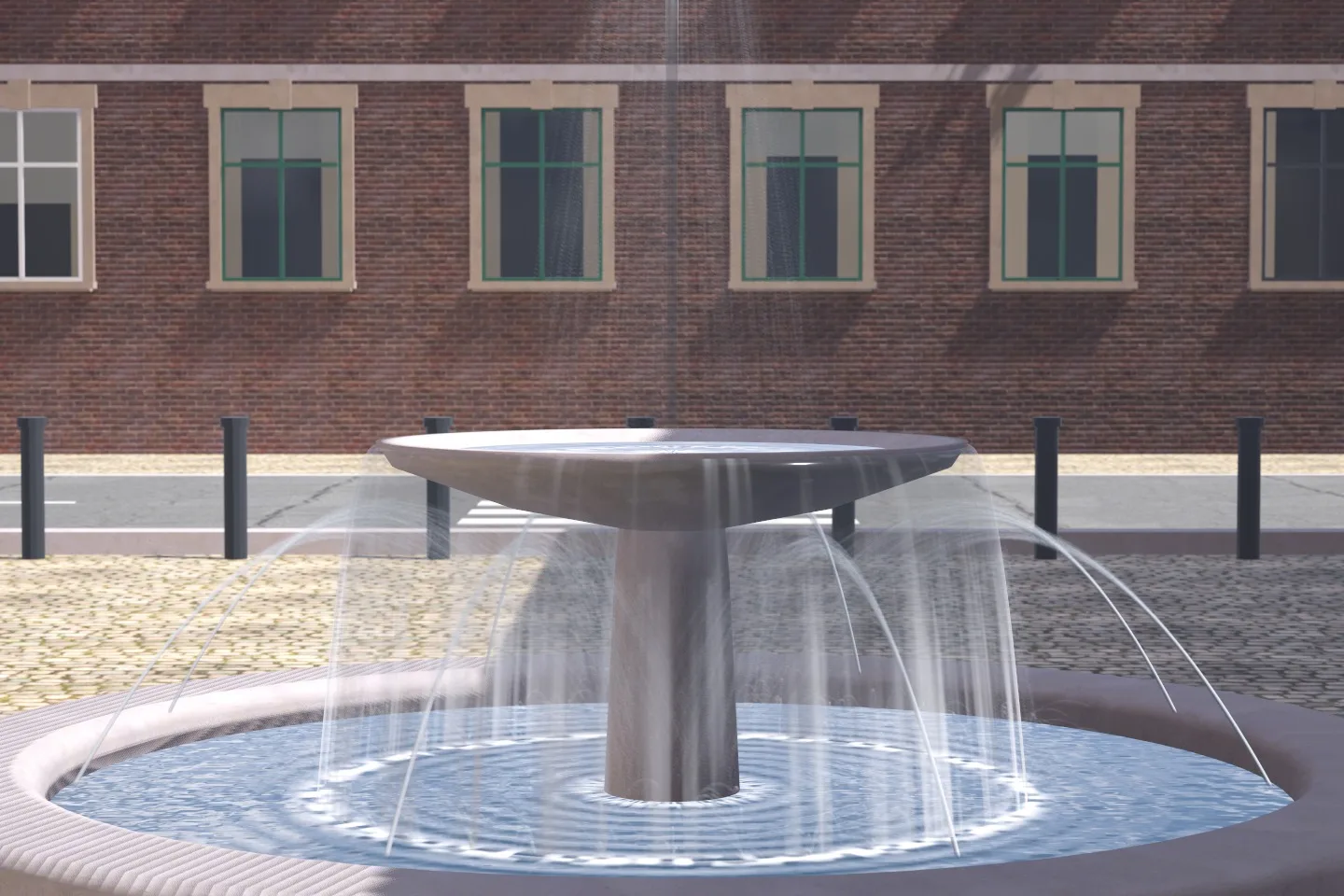
A long exposure turns time into texture. Water that churns becomes mist, clouds smear into streaks, crowds vanish and car lights draw lines through the night. All it takes is a shutter that stays open for a quarter of a second or more, and a camera that does not move while it does.
The catch is light. Leave the shutter open for several seconds in daylight and the photo is pure white, even at the smallest aperture and the lowest ISO. Long exposures in daylight need a filter that blocks light; at night they need a tripod and patience.
ND filters
A neutral density (ND) filter is dark grey glass that screws onto the front of the lens and blocks light evenly across all colours. Each stop it blocks doubles the shutter time you need. Filters are named either by stops or by the factor:
| Without filter | ND8 (3 stops) | ND64 (6 stops) | ND1000 (10 stops) |
|---|---|---|---|
| 1/1000 | 1/125 | 1/16 | 1s |
| 1/250 | 1/31 | 1/4 | 4s |
| 1/60 | 1/8 | 1s | 17s |
| 1/15 | 0.5333333333333333s | 4s | 1.1 min |
The method: meter without the filter, then multiply the shutter time by 2 once for each stop. 10 stops is a factor of 1024, so 1/60 s becomes about 16 s. Most camera meters also work through the filter, but with a 10-stop filter the viewfinder gets very dark, so focus and compose first, then screw it on.
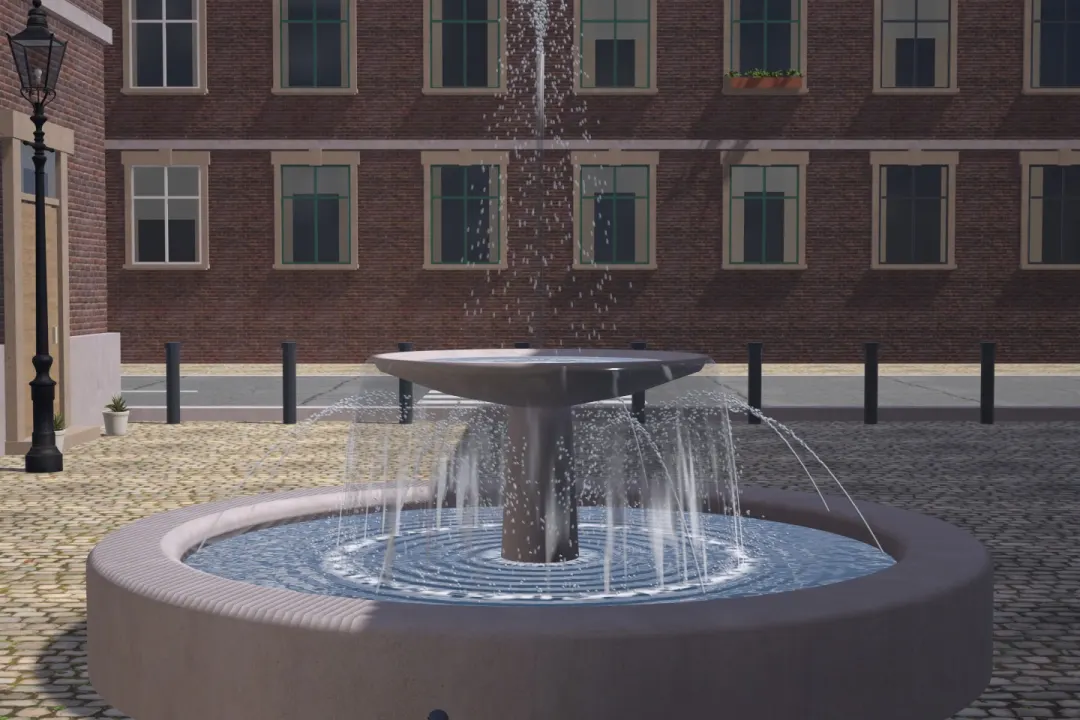
Try this: Add ND 10 and see how dark the view gets. Each stop of filter needs one stop of slower shutter: change 1/250 s by ten stops, to about 4 s, and take a photo.
Silky water
- 1/4 s to 1 s: water shows texture and flow lines. Often the most natural look.
- 2 s to 10 s: smooth and milky.
- 30 s and longer: the sea becomes flat mist, clouds stretch into streaks.
Overcast days and the hour after sunrise or before sunset make it easier: less light means a weaker filter will do.
Light trails
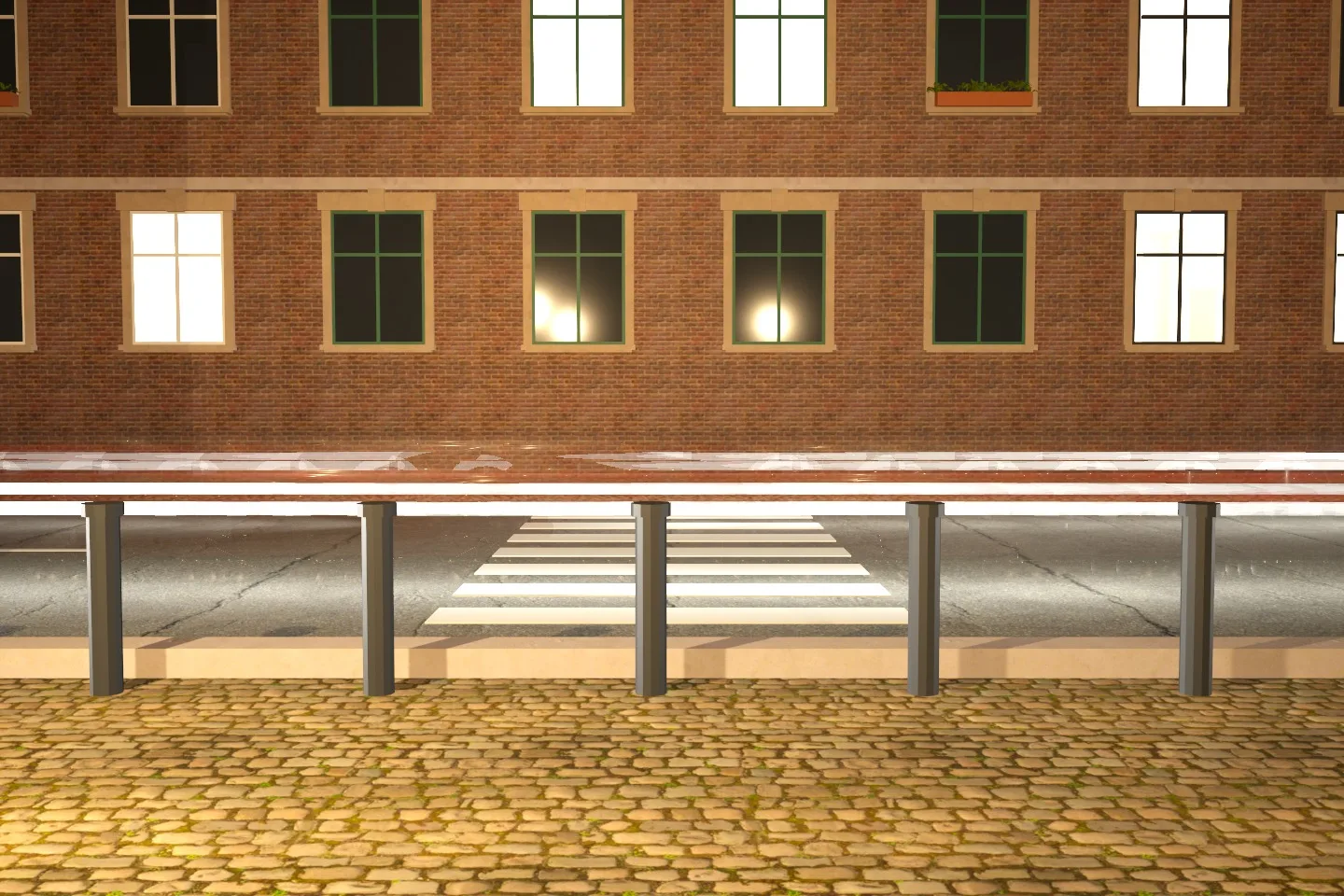
At night no filter is needed. Start around f/8, ISO 100 and 5 to 15 seconds. The trail length depends on the shutter time; the trail brightness depends on the aperture and ISO, because every car's lights pass any one spot for the same short moment. Blue hour, just after sunset, gives a deep blue sky instead of black.
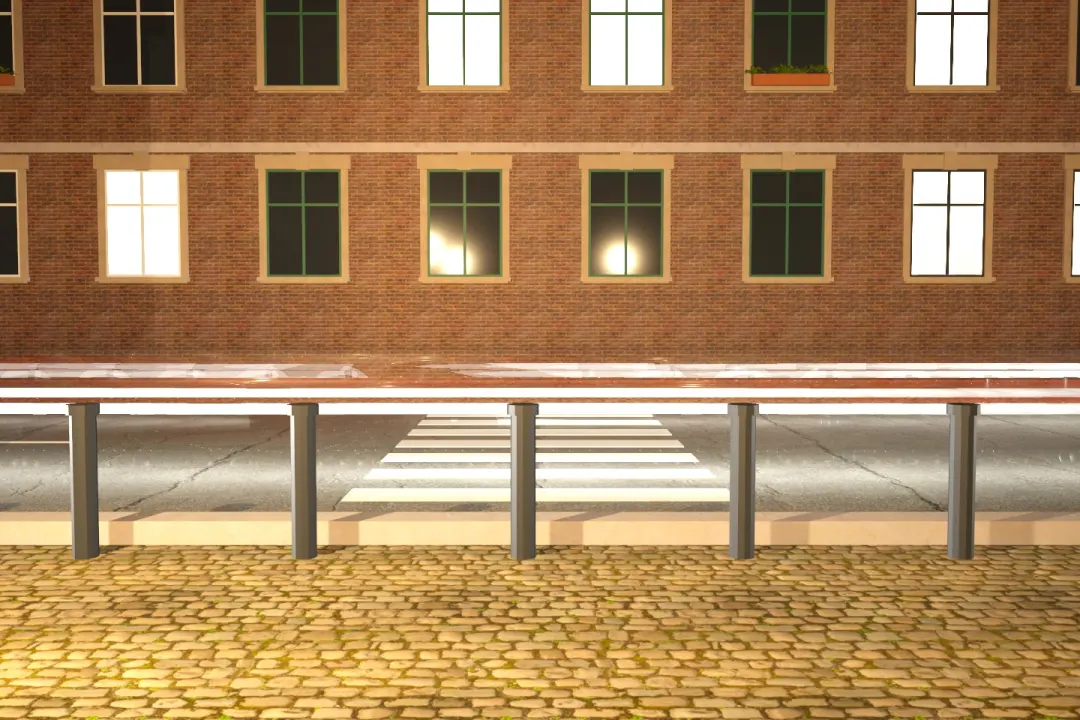
Try this: Make the trails long but keep the street lights from turning into white blobs. Try 8 s at f/8, then 30 s at f/16. The longer the shutter, the longer the trail.
Long exposures also show movement you cannot see. Moths around a street lamp look like a few specks to the eye; with the shutter open for a second, every flight path is drawn into the picture.
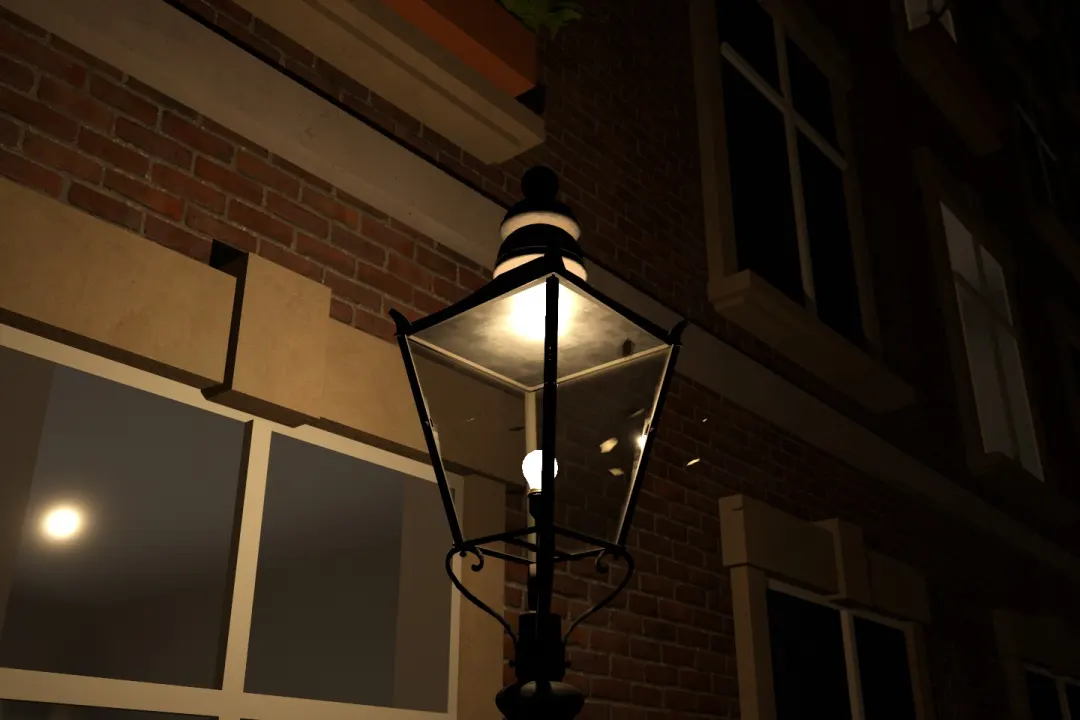
Try this: At 1/250 the moths are specks around the lamp. Slow the shutter to 1 second (lower the ISO to keep the brightness) and each moth draws its whole flight path.
Keeping the camera still
- Tripod, or any solid surface. Hang your bag from the centre hook in wind.
- 2-second self-timer or a remote, so pressing the button does not shake the camera. Many cameras can be triggered from a phone app.
- Stabilisation: modern bodies usually detect a tripod and are fine, but if long exposures come out slightly soft, turn IBIS off on the tripod.
Noise and Bulb
Over many seconds the sensor warms and some pixels leak signal, producing hot pixels and a faint glow. Long exposure noise reduction fixes this by taking a second, black frame of the same length and subtracting it, so a 30 s photo takes 60 s. Leave it on unless you are shooting a sequence.
Most cameras stop at 30 s. For longer, use Bulb (B), where the shutter stays open while you hold the button or remote, or a built-in long-exposure timer.