Lessons 3 · Real situations
Night and low light
A lit street at night is several hundred times darker than a cloudy day. The camera still needs the same amount on the sensor for a normal photo, so something has to give: the aperture opens, the shutter slows or the ISO rises. In low light every photo is a choice between blur and noise.
The good news is that modern cameras have moved that line a long way. A recent sensor at ISO 6400 is cleaner than film cameras ever were at ISO 400, and stabilisation lets you hold a camera steady for far longer than the old rules allowed.
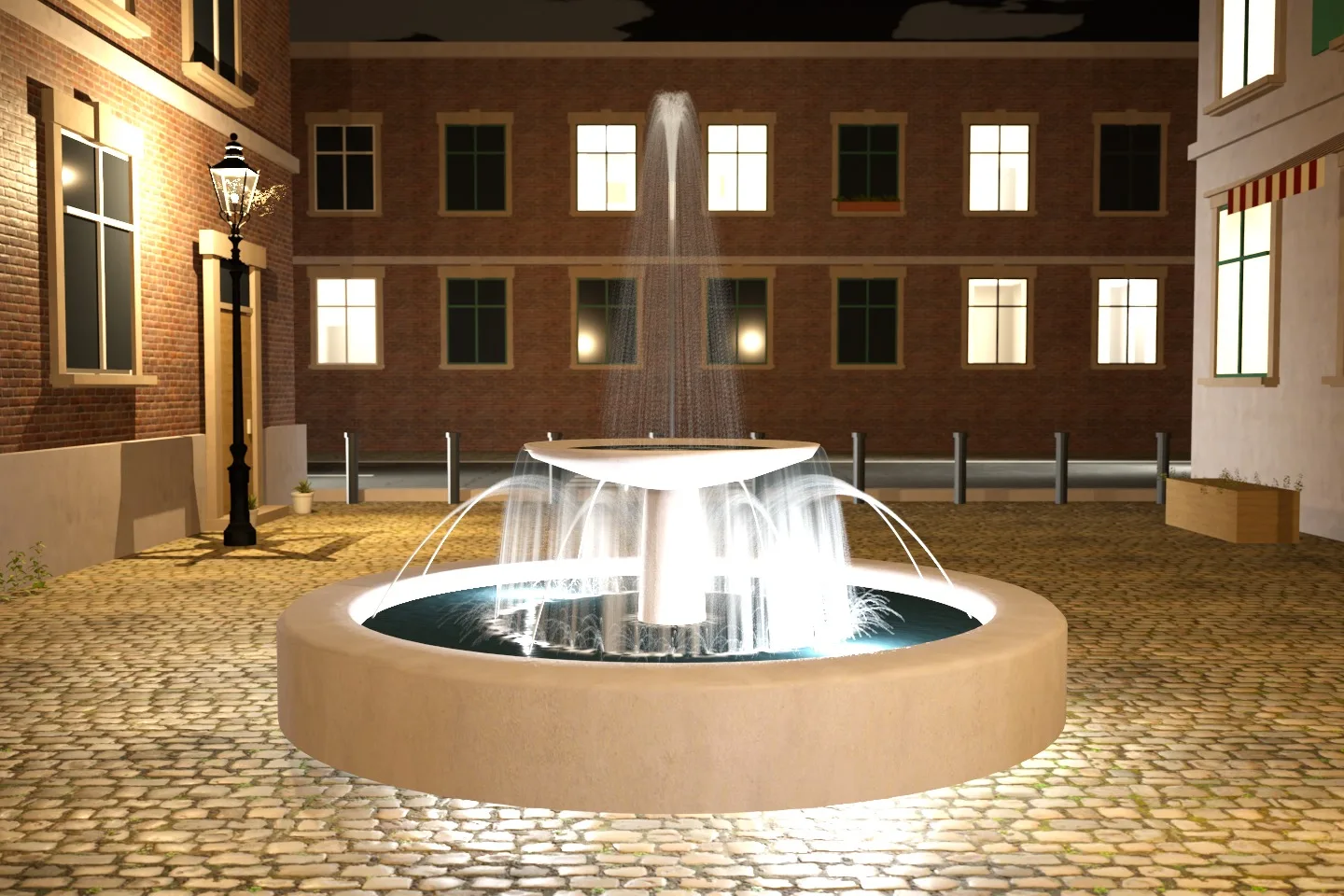
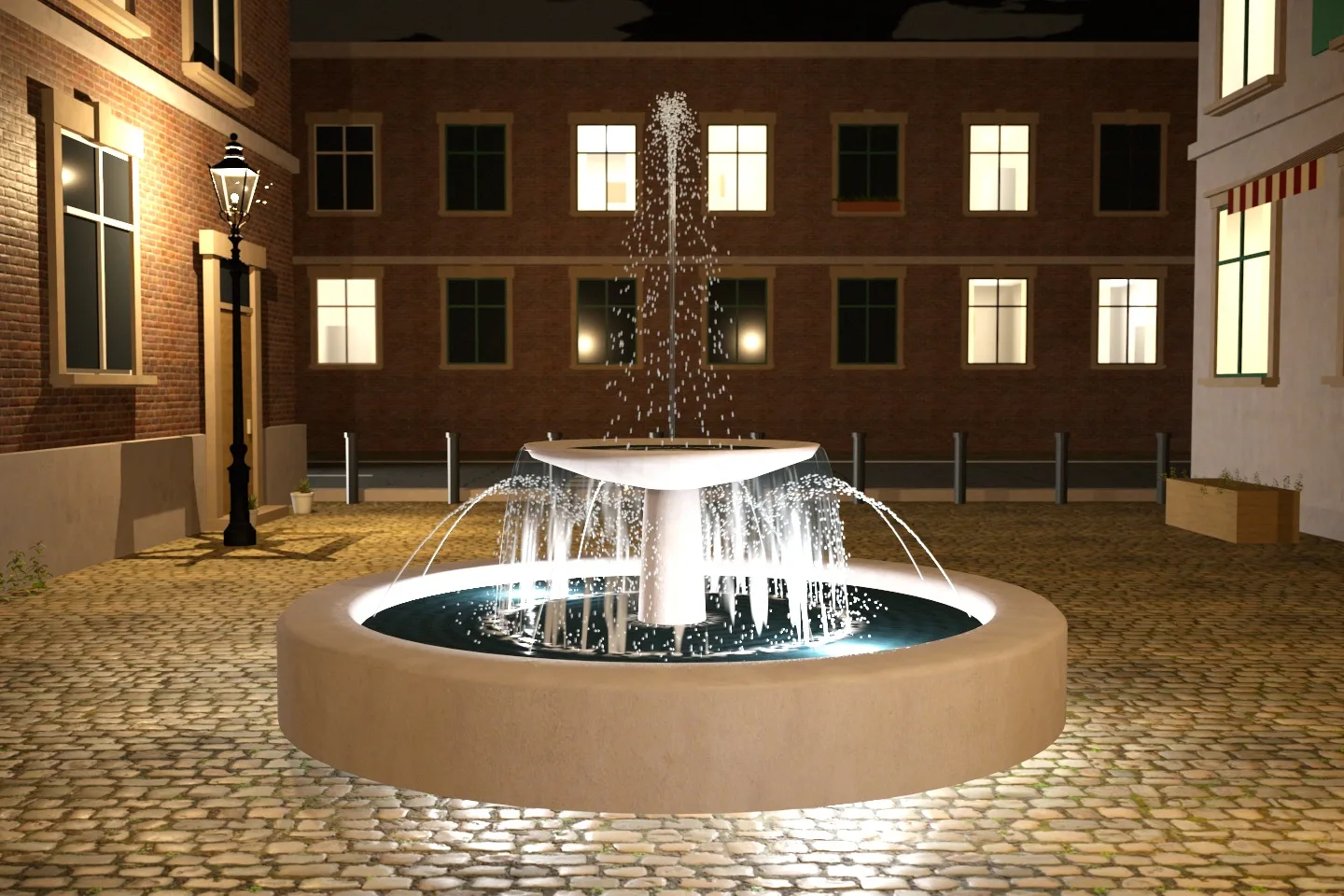
What to give up first
- Aperture first. Open it all the way. A 35 mm or 50 mm f/1.8 prime collects over two stops more light than a kit zoom at f/4 or f/5.6, and costs little. It is the best low-light upgrade there is.
- Then the shutter, down to the slowest speed that is still sharp: the handheld limit for still scenes, about 1/125 s for people.
- ISO last, as high as it needs to go. Noise is the price of a sharp photo, and it is often a fair one.
Handheld at night
Starting points on full frame, for a typical city street at night:
- 35 mm f/1.8, shutter 1/40 or slower with stabilisation, ISO 1600 to 6400.
- 24-70 mm f/2.8 at 24 mm, 1/30 s with stabilisation, ISO 3200 to 12800.
- For people: 1/125 s and accept a higher ISO, or ask them to hold still for 1/30 s.
Brace yourself against a wall, exhale and take three or four frames in burst. One of them is usually sharper than the rest.
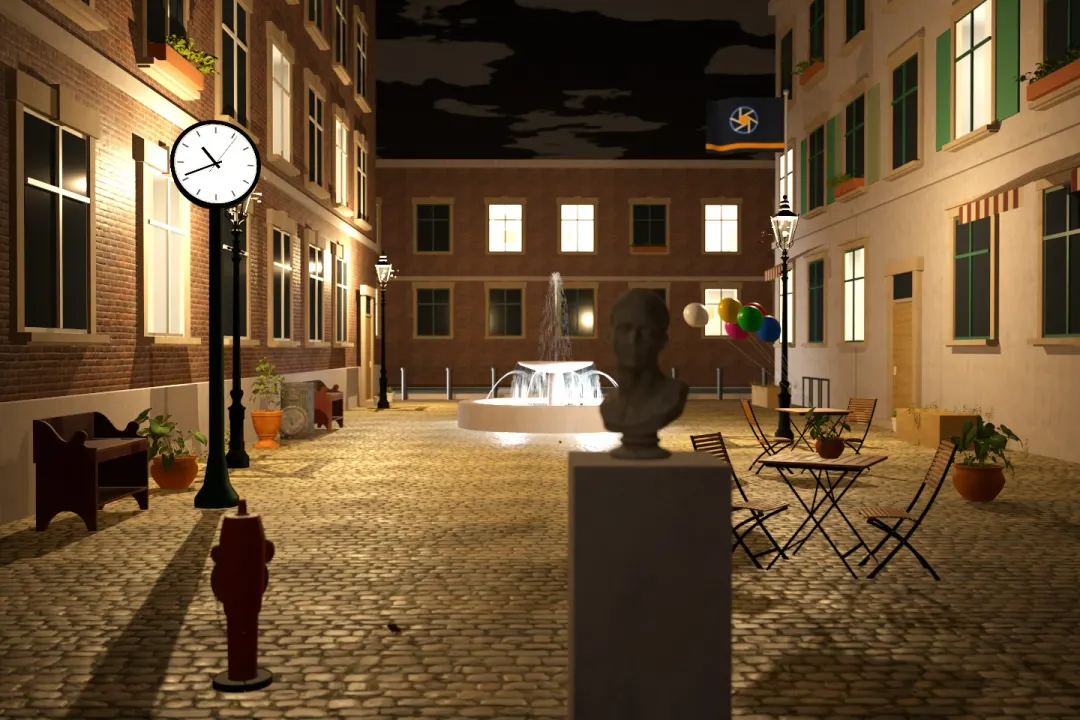
Try this: Handheld at night: keep the shutter at 1/60 s or faster. Open the aperture to f/1.8 and let Auto ISO fill the gap. Take a photo and check the grain in 100% view.
With a tripod
A tripod removes camera shake, so the shutter can be as long as you like. You can drop to ISO 100, close to f/8 for sharpness and depth, and expose for 5, 10 or 30 seconds. Lit buildings, empty streets, the night sky over a town: all look their best this way. Anything that moves, though, will blur or disappear.
People after dark
Shutter speed is the limit for people, not for you. Faces need about 1/125 s to stay sharp. Put your subject near a light source (a shop window, a street lamp) and let the light fall on their face. Use eye detection: modern AF works in very dim light, but helps itself by locking onto a face.